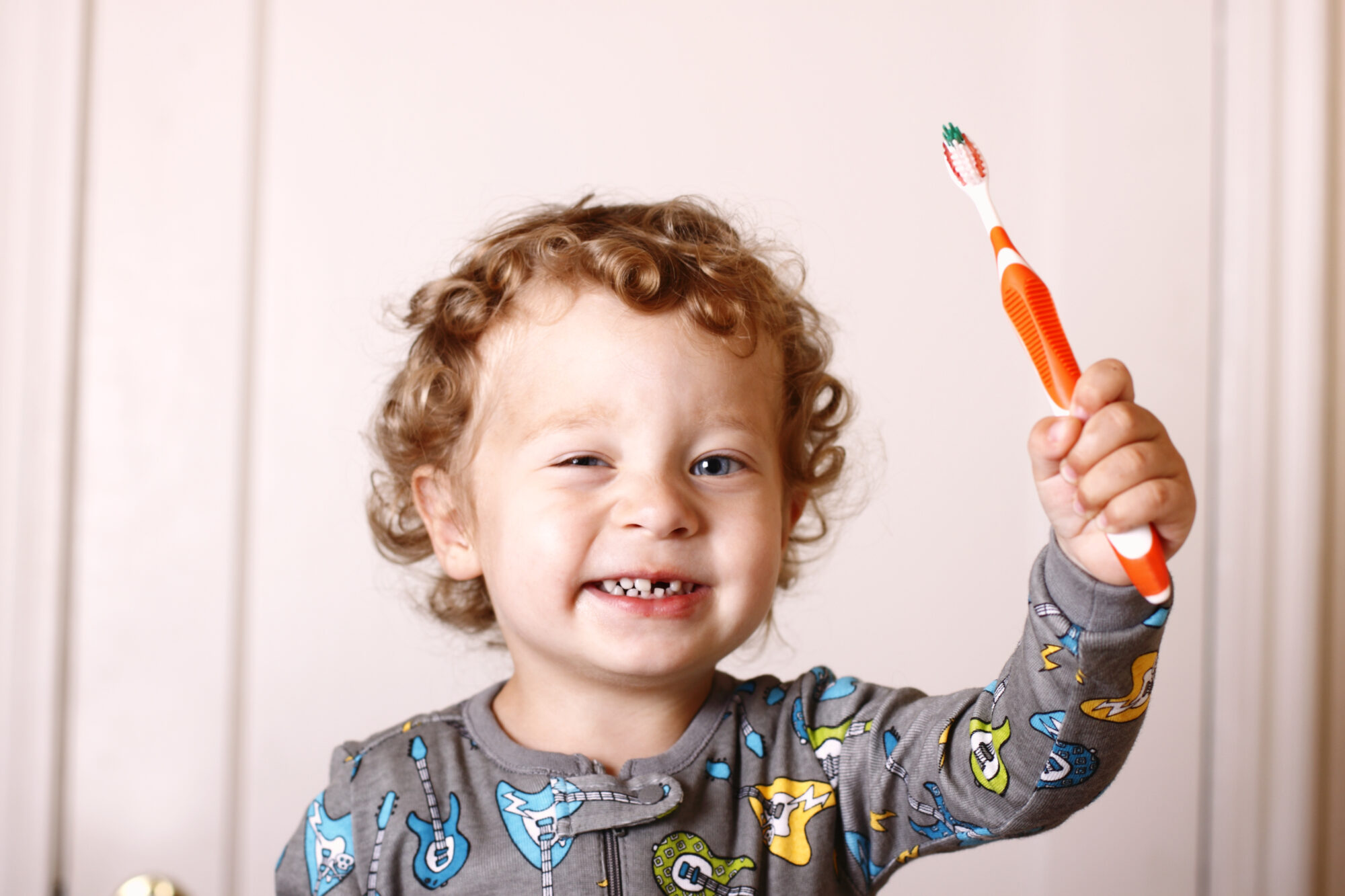
If you’ve ever tried to brush a two-year-old’s teeth, you know it can feel like wrestling a very small, very determined octopus. Here’s how to brush toddler teeth in a way that actually works, from the right amount of toothpaste to tricks that turn brushing time into something your child looks forward to.
Why Brushing Baby Teeth Matters
Baby teeth fall out eventually, so it’s tempting to think they don’t matter much. But they hold space for adult teeth, help your child chew and speak clearly, and can get cavities just like permanent teeth. In fact, decay in baby teeth can spread fast because the enamel is thinner. A painful cavity at age three can mean missed sleep, picky eating and, in some cases, a filling or extraction.
What You’ll Need
- A small, soft-bristled toothbrush made for toddlers. Replace it every three months, or sooner if the bristles splay.
- Fluoride toothpaste. For children under three, use a smear about the size of a grain of rice. From age three, use a pea-sized amount.
- Floss or floss picks once any two teeth touch.
How to Brush Toddler Teeth, Step by Step
- Get in position. Sit on the floor or couch with your toddler lying back in your lap, head toward you. This “lap position” gives you a clear view and keeps their head steady.
- Lift the lip. Gently lift the upper lip to see the front teeth and gum line. This is where early decay often starts.
- Brush in small circles. Angle the brush toward the gums and use gentle circles on the front and back of every tooth.
- Don’t forget the chewing surfaces. Brush back and forth on the tops of the molars, where food gets stuck.
- Take two minutes. Sing a song or play a short brushing video to fill the time.
- Spit, don’t rinse. Encourage your child to spit out extra toothpaste but skip rinsing with water, so the fluoride keeps working.
Brush twice a day: once in the morning and once right before bed. The bedtime brush is the most important, because saliva slows down while we sleep and leaves teeth more exposed.
Tips When Your Toddler Won’t Cooperate
- Offer choices. Let them pick between two toothbrushes or two flavors. A small choice makes them feel in charge.
- Take turns. Let your toddler “brush” first, then say it’s your turn to check for sugar bugs.
- Brush together. Toddlers love to copy. Brush your own teeth at the same time.
- Use a sticker chart. A week of brushing earns a small reward.
- Stay calm and consistent. Some nights will be harder than others. Keeping the routine the same every day matters more than a perfect brushing.
When Should Kids Brush on Their Own?
Most children don’t have the hand control to brush well by themselves until around age six to eight. A good rule of thumb: if your child can tie their own shoes, they’re probably ready to brush with less help. Until then, let them practice, and then go over their teeth yourself.
Habits That Protect Toddler Teeth
- Avoid putting your child to bed with a bottle of milk or juice.
- Offer water between meals instead of juice.
- Keep sticky, sugary snacks to mealtimes.
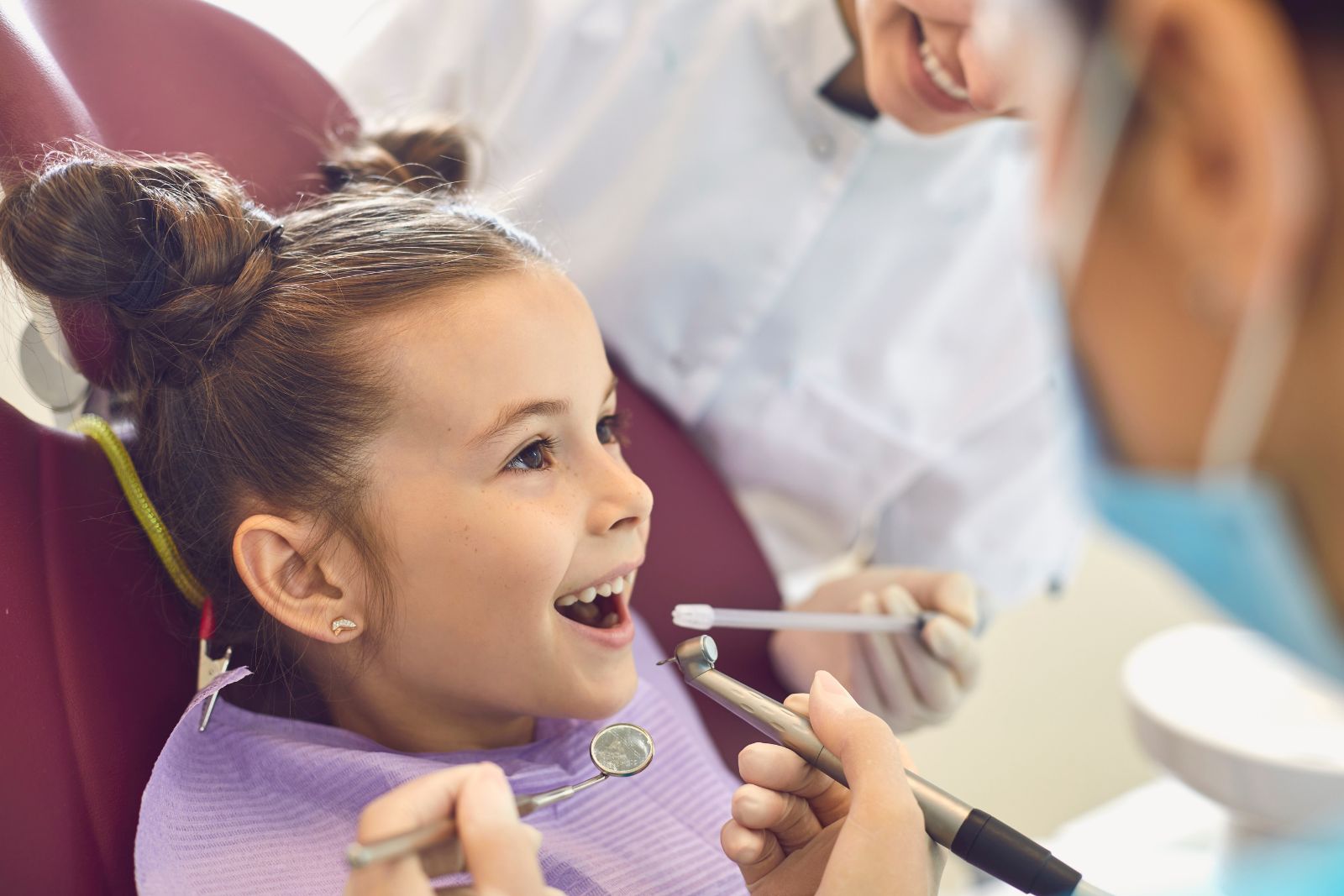
- Schedule a dental checkup every six months, starting by the first birthday.
Regular checkups let us spot problems early and apply fluoride varnish for extra protection. Learn more about our gentle care on our kids dentistry page.
Need Help With Your Toddler’s Smile?
Our board-certified pediatric dentists in Sugar Land and Katy are happy to show you brushing techniques at your child’s next visit. We’ll make it fun for your toddler, too.